Government
Who you gonna call? Not Ghostbusters. 1-866-OUR-VOTE.
Early voting runs October 13–30, and the 866-OUR-VOTE hotline offers real-time help for ballot, ID, or poll-worker problems before you leave the polling place.
By Staff · October 28, 2026
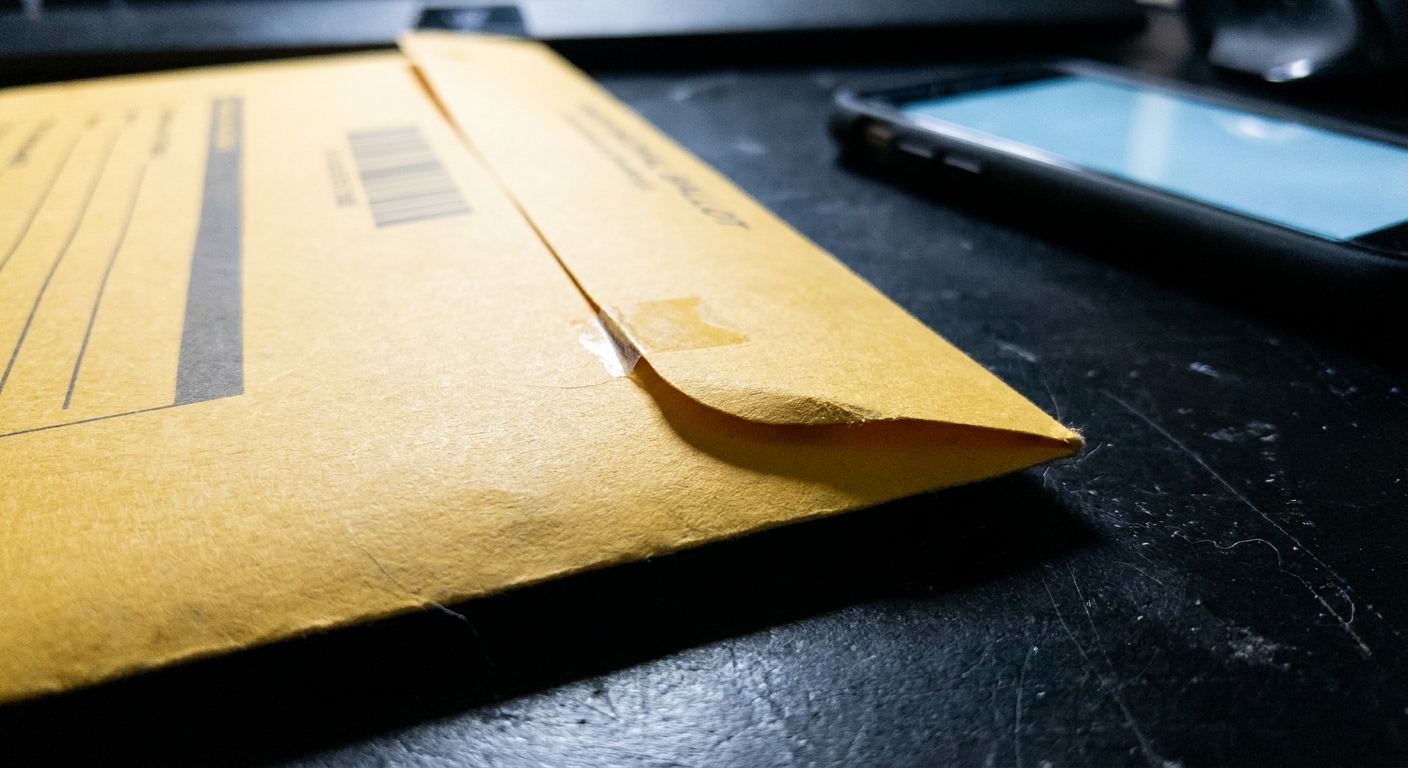
Inside the early-voting room at the Board of Elections office in Statesboro, a poll worker's hand has just moved toward the yellow provisional-ballot envelope instead of the ballot scanner. The voter still standing at the table has one move that changes what happens next: pick up the phone and call 866-OUR-VOTE (866-687-8683) before the ballot leaves the counter.
Save that number before you head out. It connects Georgia voters to live help for problems at the polls and stays in service through Election Day, November 3, 2026. You can call or text from inside any polling place or early-voting site while a problem is still happening — not after you have walked out.
Under pressure, here is the sentence that gets action: "My name is _____, I'm in _____ County, I'm at [polling place / early-voting site], and here's what just happened. I'm still here and I want to cast a regular ballot."
Early-voting problems
Georgia's in-person early voting for the November 3, 2026, general election runs from Tuesday, October 13, through Friday, October 30, with hours and locations varying by county. A voter may cast a ballot at any early-voting site in the county where they are registered — not only their assigned Election Day precinct.
Counties were required to offer early voting on Saturdays October 17 and October 24, and were permitted to open on Sundays October 18 and October 25. Most sites run roughly 9 a.m. to 5 p.m. on weekdays, though some counties start as early as 7 a.m. or close as late as 7 p.m.; Saturday hours are typically 9 a.m. to 4 p.m. Exact hours vary by county.
If a machine or ballot is not working, or a poll worker is turning you away, that is the moment to call or text 866-OUR-VOTE before you leave the room. Volunteers on the line contact local or county election officials in real time to fix problems like broken equipment or a voter being turned away.
If the problem is a photo ID, stay put. Georgia requires a photo ID to vote in person. A voter told their identification is not acceptable can call before walking out and clear it up on the spot.
Georgians are using the early window heavily. By 4:30 p.m. on Tuesday, October 27, the secretary of state's office reported 2,000,452 in-person early ballots, past the 1,640,652 in-person early votes recorded during the entire 2022 midterm election.
Election Day changes the rules
On November 3, the rules tighten: you vote at your assigned precinct, not any county location, and the doors are open from 7 a.m. to 7 p.m.
If equipment goes down, a poll worker turns you away, or there is a dispute about whether you may still vote as 7 p.m. approaches, the same number covers it the same way.
When you hear "provisional"
A provisional ballot is a paper ballot handed out when a poll worker cannot confirm your eligibility on the spot. It will be counted only if the county registrar's office verifies your eligibility within three days after Election Day.
So the moment a poll worker reaches for one, pause and ask why — before you sign anything.
The reason matters, because not every provisional ballot makes it into the count. If you are offered one because you are at the wrong precinct, check the clock. A wrong-precinct provisional ballot cast before 5 p.m. generally will not count. After 5 p.m., a narrow window opens: the ballot may count if you cast it between 5 p.m. and closing because you could not reach your correct precinct, and if you sign the required sworn statement — and even then, only the races you were actually eligible to vote in get counted.
If the reason is a missing or unacceptable photo ID, you have until Friday, November 6, 2026, to bring acceptable identification to the county registrar. Miss that deadline and the ballot will not count. Asking exactly why on the spot, before accepting the form without question, is how you learn whether to fight it now.
Why the call works inside the room
Calling while you are still standing there is what makes the fix possible. A volunteer on the line gets a county elections official on the phone while the poll worker can still hear you, passes along the official's name and instruction, and the supervisor talks the site through the correction — a working machine, a second look at your ID, a call to the registrar's office — before the ballot is set aside. Once you are in the car, the same call describes what already went wrong. Inside the room, it changes what happens next.