Government
New Georgia law requires restaurants to disclose imported shrimp
DNA tests found 77% of sampled Savannah-area restaurants served imported or farm-raised shrimp despite implying local catch, prompting Georgia’s new menu disclosure law.
By Staff · October 22, 2026
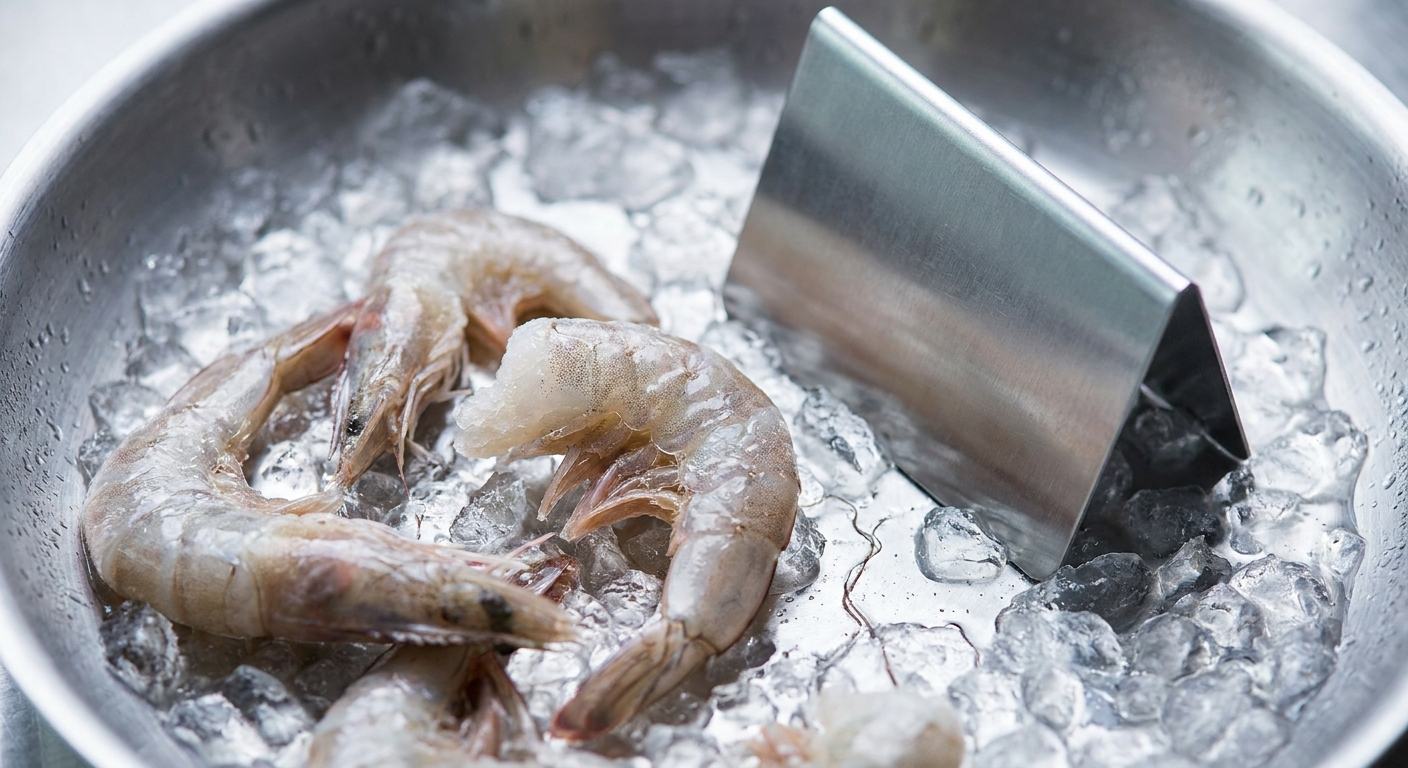
When a Georgian sat down at a coastal restaurant and ordered shrimp, the word used to do the work: wild, warm-water catch pulled from state waters by Georgia boats. DNA testing now shows how far that assumption drifted from the plate. Of 47 shrimp samples collected from 44 randomly selected Savannah-area restaurants, only 10 were genetically identified as American species — the remaining samples were imported. Among the restaurants sampled, 34 of 44, about 77 percent, served imported or farm-raised shrimp despite menu language or branding that could imply local or American wild-caught shrimp.
That testing, commissioned by the Southern Shrimp Alliance and performed by the laboratory genetics firm SeaD Consulting, ran mainly February 18 through 23, 2025, on dishes from restaurants in Savannah, Tybee Island, and Port Wentworth — after Georgia's shrimping season had ended — and the results were published March 4, 2025. SeaD used RIGHTTest, a rapid genetic-identification method developed with Florida State University, to distinguish American wild-caught shrimp species from imported, farm-raised shrimp. It published the names of the ten restaurants whose tested dishes passed as American wild-caught shrimp, including Belford's Seafood and Steaks, The Olde Pink House, Rhett, and Wood's Seafood.
The assumption the test punctured was grounded in a real, short-season fishery. The chief warm-water American species in Georgia's commercial harvest are Atlantic white shrimp, along with brown and pink shrimp. Since 2004, the "Wild Georgia Shrimp" certification and its trademarked logo, launched by the Georgia Shrimp Association, gave buyers a label that meant the real local catch. But about 90 percent of the shrimp Americans eat is imported, and most imported shrimp is farmed rather than wild-caught — raised in ponds, not pulled from Georgia or Gulf waters. Georgia's own wild shrimp is seasonal and limited: the state's commercial and recreational food-shrimp season generally runs from mid-June through mid-January, and the 2026 season opened June 9, 2026.
The menu gets honest
The correction arrived this year in the form of House Bill 117, sponsored by Rep. Jesse Petrea, a Republican representing Georgia House District 166. Gov. Brian Kemp signed it into law on May 6, 2026, and it took effect July 1, 2026.
Under the law, any Georgia food-service establishment that serves foreign-imported shrimp must disclose it conspicuously — either by labeling each applicable menu item "FOREIGN IMPORTED" or by displaying a publicly visible placard reading "FOREIGN IMPORTED SHRIMP". It is a disclosure requirement, not a ban on serving imported shrimp, and restaurants operated by state agencies are exempt. The Georgia Department of Public Health administers the requirement through its routine restaurant inspections. Enforcement is scheduled to begin January 1, 2027, with education-focused inspections running through December 2026. Georgia is the fifth state with shrimp or seafood-origin disclosure rules, joining Louisiana, Alabama, Mississippi, and Texas.
"It is time we support our domestic shrimpers and ensure that consumers know what they are eating," Petrea said.
At the counter
Now that the label has to be honest, Georgians have a clearer test. The most direct signal that imported shrimp is on a menu is the required "FOREIGN IMPORTED" or "FOREIGN IMPORTED SHRIMP" disclosure. The reverse is not automatic: a menu that reads only "shrimp," "local shrimp," "Georgia shrimp," or "coastal shrimp" does not by itself establish that the dish is Georgia wild-caught. Wording that more specifically signals the real thing includes "Georgia wild-caught shrimp," "U.S. wild-caught Atlantic white shrimp," or "wild-caught in Georgia waters".
The species name helps separate one plate from another. The dominant imported shrimp is the Pacific whiteleg shrimp (Litopenaeus vannamei), a pond-raised species widely cultivated overseas — not the wild Atlantic white shrimp (Litopenaeus setiferus) that Georgia boats catch in coastal waters.
Diners who want to pin down what they are paying for can ask the server directly: Is this shrimp wild-caught or farmed? What country or waters is it from? Which species is it? Sustainable-seafood certifications indicate harvest method but not origin: an MSC label denotes a certified-sustainable wild fishery and an ASC label denotes responsibly farmed seafood, but neither certifies that a dish is Georgia wild-caught.
"We want authenticity and transparency about what's on the plate in our seafood restaurants," Petrea said. "Consumers need to fundamentally know what they are eating".
Why it matters back home
The stakes are clearest on the docks. Georgia's wild shrimp fishery reported roughly 2.4 million pounds of shrimp tails and about $8.8 million in dockside value in the 2023 season, and the state issued 177 commercial shrimping licenses in 2024, down from 210 the prior year. Because wild Georgia shrimp is a seasonal product tied to the mid-June-to-mid-January season, diners who seek it are choosing a smaller, time-bound domestic supply rather than the year-round imported farmed product.
Blake Price, director of the Southern Shrimp Alliance, called the change a significant win for that supply. "The enactment of HB 117 is a huge victory for Georgia shrimpers, who organized an effective grassroots campaign to ensure that consumers have the ability to choose U.S. wild-caught shrimp when they dine out," he said.
Dave Williams, founder of SeaD Consulting, put the coastal stakes plainly. "Everybody comes down to the coast to experience a thriving coastal community and that is dying," he said.
For the diner ordering shrimp in Brunswick or Savannah, the practical route now runs through the same two moves: look for the "Wild Georgia Shrimp" logo on a menu or at a fish house, and ask the questions that pin down wild-caught status, country, and species.